Bedroom furniture shapes a room for rest, storage, and everyday routines. Beds and bed frames provide the foundation for a comfortable sleep space, while compatible bedding helps support warmth and personal comfort. Considering room dimensions, mattress size, and movement around the bed can make it easier to plan a functional layout for adults or children.
Platform bed frames typically support a mattress on a built-in, level surface, which can reduce the need for a separate foundation when the frame’s specifications allow. Their straightforward construction suits a range of bedroom styles and can simplify room planning. Mattress compatibility, overall height, and under-bed clearance are useful details to evaluate alongside other furniture.
The Pendant Bed is one of the named designs in this bedroom furniture category. Its bed-frame form establishes a central sleeping area and provides a basis for coordinating bedding, bedside pieces, and other furnishings. When assessing this model, dimensions and mattress requirements help determine how it fits a particular room and supports daily use.
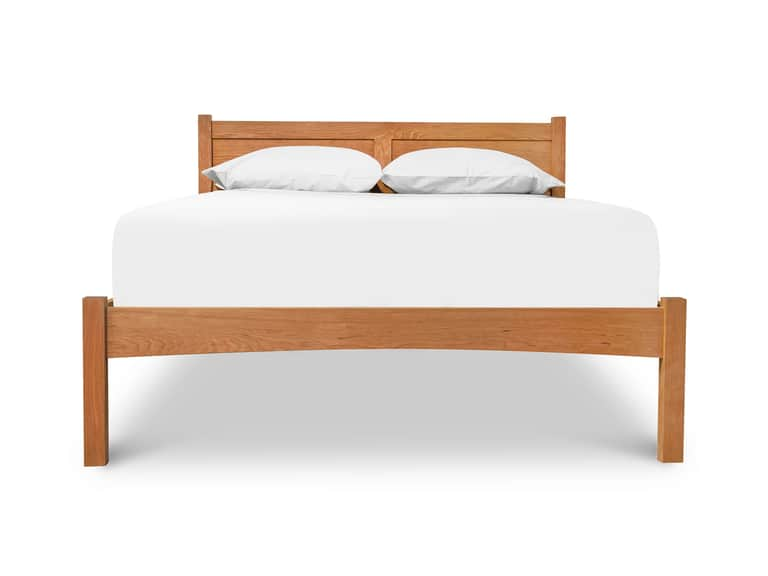
The Essex Low Footboard Bed is identified by its low footboard, a feature that creates a more open profile at the foot of the mattress than a taller footboard. This design can help maintain a clear visual line across the room and may make getting in and out of bed more convenient, depending on layout.
For a kids room, bedroom furniture should suit the child’s mattress, available floor space, and changing routines. Adjustable beds may be relevant where movement or positioning needs require adaptable support, but compatibility should be confirmed for each model. Coordinating the bed frame with bedding, storage, and walking space helps create a practical, comfortable sleeping environment.
 Furniture