Bedroom furniture supports restful sleep, organized living, and the practical needs of different household members. Bed frames provide a stable foundation for a mattress, while their height, proportions, and construction affect access, room layout, and overall comfort. Considering these features helps match furniture to available space and everyday routines.
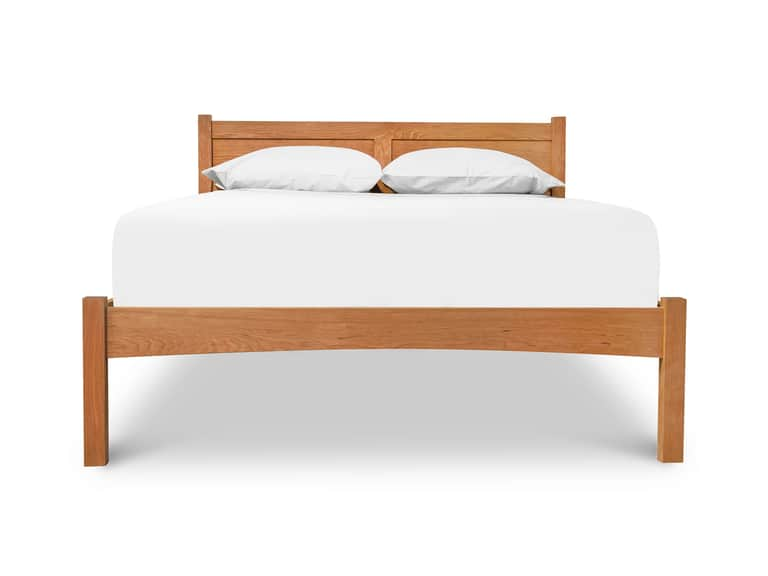
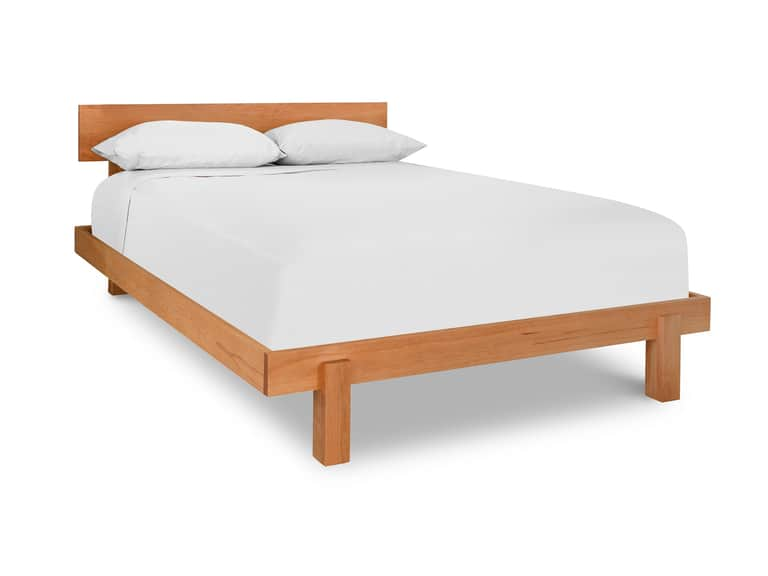
Platform bed frames typically support a mattress directly or with a compatible slat system, often without requiring a separate box spring. Their streamlined structure can simplify bedroom setup and create a lower-profile appearance. When comparing frames, check mattress compatibility, dimensions, materials, and weight capacity to ensure the foundation suits intended use.
Adjustable beds allow the sleeping surface to change position, which can support personalized rest and make activities such as reading more comfortable. Bedding for an adjustable base should accommodate movement and fit securely as the bed changes angle. Confirming that a frame, mattress, and bedding are compatible is important for reliable function.
In a kids room, bed furniture should balance durable construction, suitable dimensions, and accessible design. The Oeuf River Bed, Pendant Bed, Essex Low Footboard Bed, and Kipling Bed each offer distinct forms for different bedroom layouts. Their names identify individual frame styles; checking product specifications helps clarify materials, mattress fit, and practical details.
Bed style can influence both the look and usability of a bedroom. A low footboard, as indicated by the Essex Low Footboard Bed name, may provide an open visual profile, while other frame designs can suit different decorating preferences. Comparing measurements, construction, and care requirements helps determine which furniture works best with existing bedding and space.
 Furniture